
Helping a child sort and organise their bedroom can feel like a huge task — but it doesn’t have to be overwhelming.With the right approach, you can support your child in making their space calmer, more functional, and truly theirs.
 Before any sorting and organising starts, take a moment to tune into your child’s world. Ask them questions like:
This helps you avoid conflict and shows your child that their voice matters.
 The right environment can make a big difference when sorting and organising.
A supportive setup helps your child feel safe, capable, and more willing to participate.
 What motivates your child might be totally different from what motivates you — and that’s okay.
Understanding their unique preferences and energy levels can help make the process smoother and more positive for everyone.
 Big tasks can feel overwhelming. Make it doable by:
Taking it step by step gives your child time to process, builds confidence, and keeps things manageable.
 Instead of starting with what to get rid of, shift the focus to what matters most:
Once items are no longer wanted, your child could sell them, pass them on to younger family or friends, or donate to a charity they care about — giving a sense of purpose to letting go.
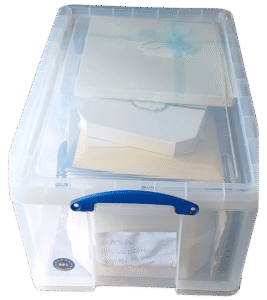 Some things hold meaning even if they’re not used often. A memory box gives your child a place to safely store those treasured items — birthday cards, artwork, keepsakes, or mementoes from trips and school events. It sets a gentle boundary while still honouring what’s important to them.
Choose a lidded box, decorative container, or plastic tub — whatever fits their space and feels right to them. Label it clearly and store it somewhere accessible, but not in everyday use.
 Once you’ve created a more organised space, help your child keep it that way:
Building in systems that are visual and simple helps your child stay on top of things independently.
This isn’t just about a tidy room. It’s about teaching your child that their space matters, and they have some control over it.
Go slow. Celebrate the small wins. And remember: your support and encouragement mean more than a perfectly sorted drawer ever could.
👉 Need help getting started? Get in touch to chat about how I can support you and your child in creating a more organised, peaceful space.