
 A gentle guide to sorting, storing, and letting go — with expert dos and don’ts.
As a professional organiser and declutter coach, one of the most emotional challenges I help clients navigate is dealing with sentimental items. These things carry our memories — baby clothes, handwritten notes, travel souvenirs, family heirlooms — and deciding what to keep can feel overwhelming.
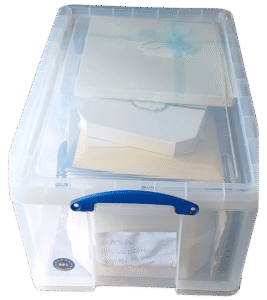
That’s where the concept of a Memory Box comes in. It allows you to preserve meaningful memories without letting them take over your space or your daily life.
Sentimental decluttering is emotional work — so prepare your space and mindset first.
Make sure you feel emotionally ready to face memories and decisions. Choose a calm, well-lit, clutter-free area where you can work without distractions. And most importantly, allow yourself enough time. Don’t try to rush the process or squeeze it in between other tasks. Give yourself space to pause, reflect, and feel.
| ✅ Do This | ❌ Avoid This |
|---|---|
| Start with one category Pick one sentimental category to begin with — such as baby clothes, letters, or holiday souvenirs — to stay focused and avoid overwhelm. |
Try to tackle all sentimental items at once, which often leads to emotional overload and decision fatigue. |
| Gather everything in one place Bring all items from that category together so you can see what you have. This creates a clear starting point and helps with decision-making. |
Leave things scattered across your home — this makes it harder to gain perspective and stay on track. |
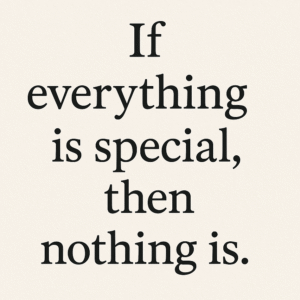
| Keep only what truly moves you Ask yourself: Does this item still make my heart feel something? Keep what brings warmth, nostalgia, or joy — not just obligation. Remember, if everything is important, then nothing is. |
Keep everything “just in case” or out of guilt, which only adds to clutter and emotional weight. |
| Let go with gratitude Say a quiet thank-you to items you’re releasing. Acknowledging their meaning helps you let go with peace rather than regret. |
Throw things out without reflection, which can leave you feeling unsettled or guilty afterward. |
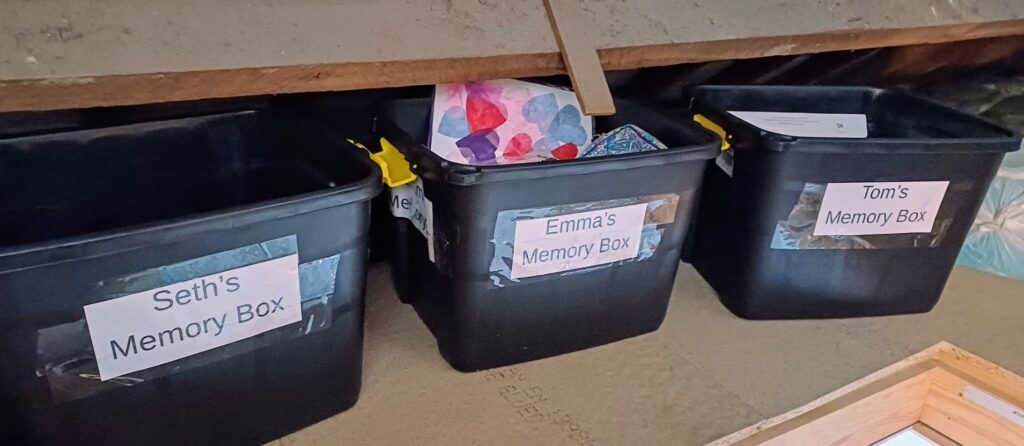
| Use a labelled, lidded memory box Store treasured items in a clearly labelled container — 64 litres is a good size. One box per family member keeps things personal and tidy. |
Hide things in drawers, bags, or boxes without labels. This can turn memories into forgotten clutter. |
| Review and update over time Revisit your memory box now and then. Your emotional connection may change, and that’s normal. Let it evolve with you. |
Let the box gather dust. Over time, you might forget what’s in it or keep items that no longer feel meaningful. |
| Involve loved ones Invite family members to share the process. It’s a beautiful way to bond, share stories, and make collective decisions. |
Take it all on yourself. This can feel isolating — and you might miss out on valuable shared memories. |
| Set a gentle deadline for yourself Choose a realistic timeframe to complete one category. A soft boundary keeps momentum going without stress. |
Leave the task open-ended — sentimental clutter often gets pushed aside indefinitely. |
| Take photos of bulky items you can’t keep Snap a photo of items like trophies, baby art, or broken keepsakes. You’ll preserve the memory without taking up space. |
Hold onto oversized or impractical items just out of guilt, even if they no longer serve you. |
| Trust your instincts Go with your gut feeling. If an item brings clarity — whether it’s a yes or a no — trust that emotional cue. |
Overthink every decision and spiral into doubt, which leads to decision fatigue and frustration. |
Sentimental clutter isn’t just “stuff” — it’s part of your story. But your story deserves to be preserved with care, not buried under piles of things you no longer need or love.
A thoughtfully curated memory box gives you a tangible way to protect and appreciate what matters most — without the overwhelm.
And remember — one thing I always tell my clients:
“If everything is important, then nothing is.”
Being selective isn’t about forgetting. It’s about creating space for the memories that truly matter, and letting go of the rest with peace.
If this still feels like too much to do alone, I’d love to support you.